Enhance Email Deliverability for Maximum Reach

Improve open rates and inbox placement with modern authentication (SPF, DKIM, DMARC), list hygiene, and smart content strategies.
Email deliverability is the cornerstone of successful email marketing. With inbox providers becoming increasingly sophisticated in their filtering mechanisms, ensuring your emails reach the inbox—not the spam folder—requires a strategic approach combining technical configuration, content optimization, and sender reputation management.
Understanding Email Deliverability
Email deliverability refers to the ability of your emails to successfully reach recipients' inboxes. It's influenced by multiple factors including sender reputation, authentication protocols, content quality, and engagement metrics. In 2025, major email providers use advanced AI algorithms to determine email placement.
Essential Authentication Protocols
- SPF (Sender Policy Framework): Validates that emails are sent from authorized servers, preventing email spoofing and improving sender credibility
- DKIM (DomainKeys Identified Mail): Adds a digital signature to your emails, verifying that the message hasn't been altered in transit
- DMARC (Domain-based Message Authentication): Builds on SPF and DKIM to provide policy instructions for handling authentication failures
- BIMI (Brand Indicators for Message Identification): Displays your brand logo in supported email clients, enhancing brand recognition and trust
List Hygiene Best Practices
Maintaining a clean, engaged email list is critical for deliverability. Regularly remove inactive subscribers, implement double opt-in processes, and segment your audience based on engagement levels. This ensures you're sending to recipients who want to hear from you.
Implementation Roadmap
- Configure Authentication Records: Set up SPF, DKIM, and DMARC records in your DNS settings. Start with a monitoring policy and gradually move to enforcement as you verify proper configuration.
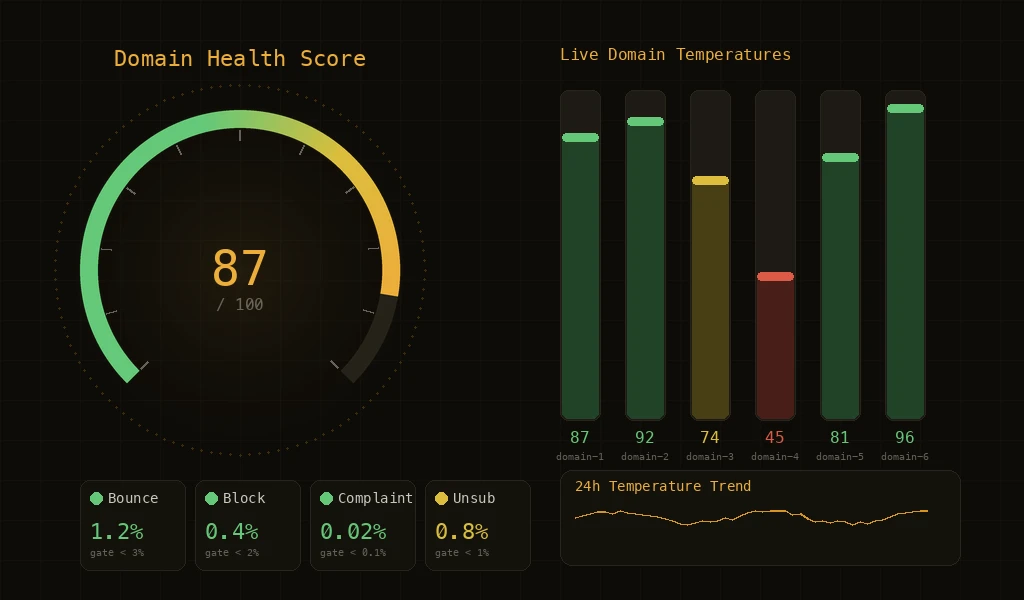
- Monitor Sender Reputation: Use tools like Google Postmaster Tools and Microsoft SNDS to track your sender reputation, bounce rates, and spam complaints.
- Optimize Content and Engagement: Craft compelling subject lines, personalize content, and maintain consistent sending patterns. Monitor engagement metrics and adjust your strategy accordingly.
Key Features
Enhanced Security
Proper authentication protects your domain from spoofing and phishing attacks while building trust with email providers.
Improved Inbox Rates
Proper authentication and list hygiene directly improve inbox placement rates and campaign ROI.
Further Reading
For more tutorials and deep dives, head back to the blog.