Payment Notification Emails: The Transactional Emails Your Revenue Depends On
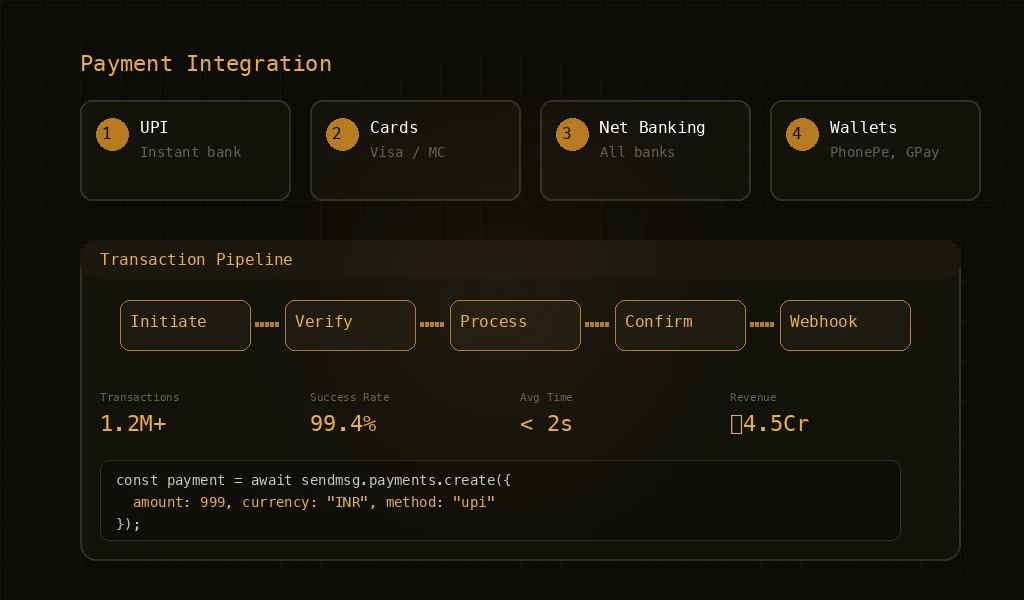
Payment receipts, failed charge alerts, and renewal reminders are emails your customers actually need. Here's how to make sure they always land in the inbox.
Every online payment triggers an email. Order confirmations, payment receipts, failed charge alerts, subscription renewals, invoice PDFs — these are the transactional emails your customers actively look for. When a payment email doesn't arrive, customers panic. They check spam folders, contact support, and lose trust in your platform. Unlike marketing emails, payment notifications have near-100% expected open rates because the recipient is waiting for them. That makes deliverability for payment emails non-negotiable.
Why Payment Emails Are Critical
Payment emails are among the highest-stakes transactional messages your platform sends. A missing order confirmation creates support tickets. A missing failed-payment alert leads to involuntary churn — the customer's card expired, they never got notified, and their subscription silently cancels. For businesses processing hundreds or thousands of transactions daily, even a 1% delivery failure rate on payment emails translates directly to lost revenue and damaged trust.
Types of Payment Notification Emails
Payment-related transactional emails span the entire billing lifecycle, from the first charge to renewal reminders months later. Each has different urgency and content requirements.
Common Payment Email Types
- Payment Confirmation & Receipts: Sent immediately after a successful charge. Includes amount, payment method, transaction ID, and downloadable invoice. This is the email customers check first.
- Failed Payment Alerts: Triggered when a charge fails due to expired card, insufficient funds, or bank decline. Must include clear instructions to update payment method — every hour of delay increases churn risk.
- Subscription Renewal Reminders: Sent before automatic renewal charges. Required by many payment regulations and reduces unexpected charge disputes. Typically sent 7 days and 1 day before renewal.
- Invoice & Statement Emails: Monthly or per-transaction invoices with PDF attachments. Often required for B2B customers who need invoices for accounting and tax purposes.
- Refund Confirmations: Confirms that a refund has been processed, including the expected timeline for funds to appear. Reduces support inquiries and builds trust.
Ensuring Payment Email Deliverability
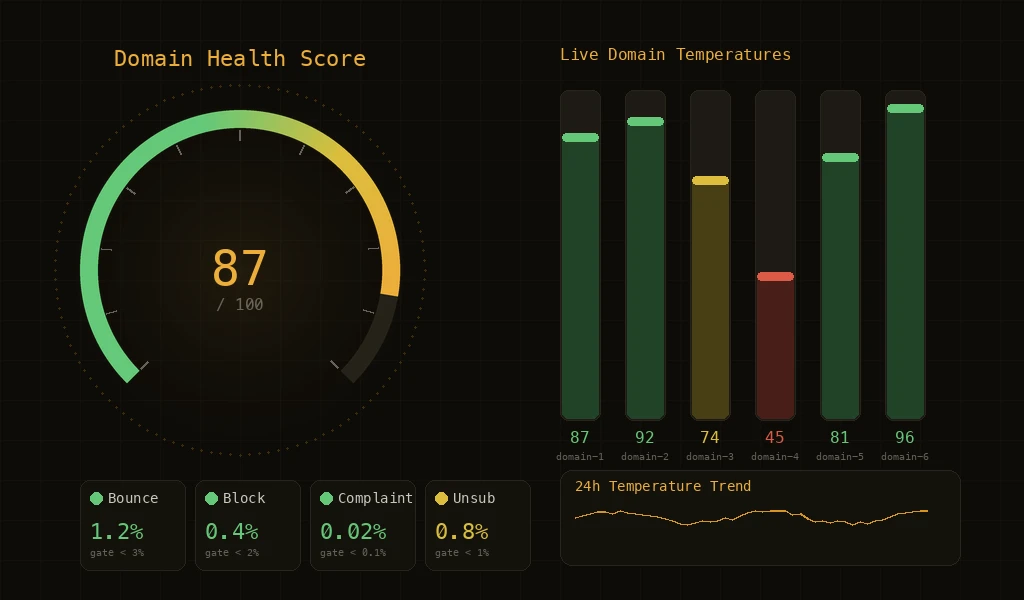
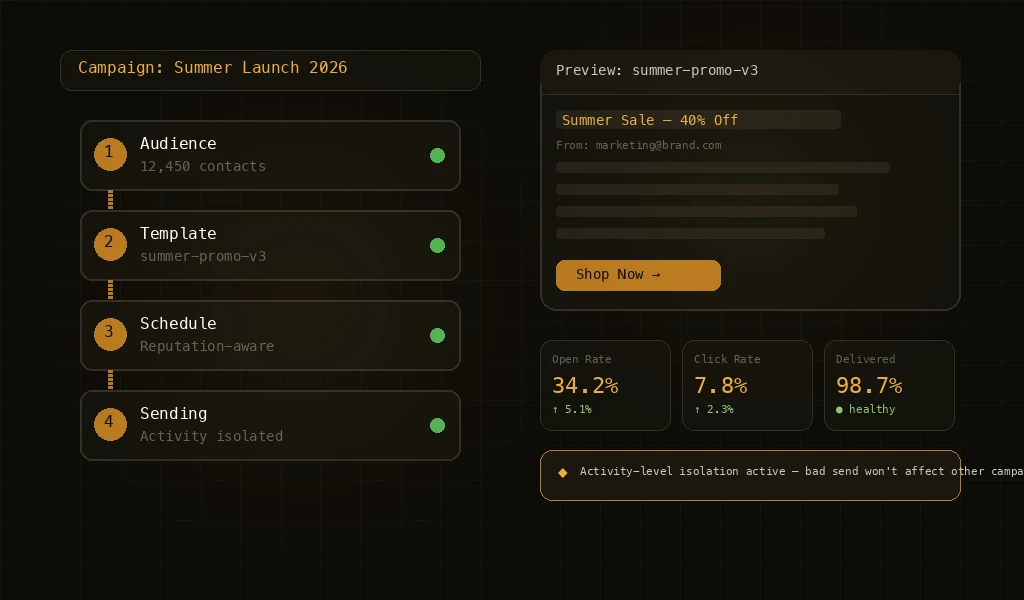
- Separate Transactional from Promotional Sending: Payment emails must use a dedicated sending domain or subdomain, separate from marketing campaigns. A promotional email complaint should never affect whether your payment receipts reach the inbox.
- Authenticate Everything: SPF, DKIM, and DMARC must be properly configured on your transactional sending domain. Payment emails without authentication face higher scrutiny from ISPs and may be flagged as phishing.
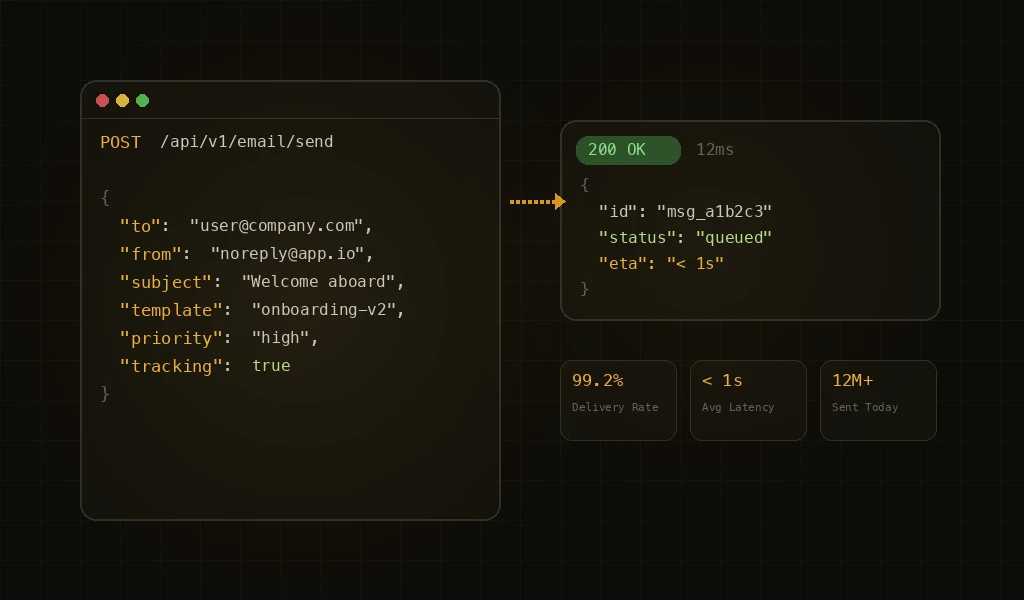
- Prioritize Speed: Payment confirmations should arrive within seconds, not minutes. Customers refresh their inbox immediately after paying. Use priority queues and dedicated infrastructure to ensure sub-second delivery.
- Monitor Bounce Rates Aggressively: A bounced payment email means a customer didn't get their receipt. Monitor transactional bounce rates separately from marketing and investigate any spike immediately.
What Good Payment Emails Look Like
The best payment notification emails are clear, immediate, and complete. Subject lines should be unambiguous: 'Payment confirmed — $49.00' not 'Thank you for your purchase!' Include the transaction amount, last 4 digits of the payment method, date, and a link to view the full invoice. For failed payments, include a direct link to update billing information — don't make the customer hunt for it. Every click they have to make increases the chance they churn instead of fixing their payment method.
The Cost of Failed Payment Email Delivery
When payment emails don't arrive, the business impact is immediate and measurable. Failed payment alerts that don't reach customers are the leading cause of involuntary churn in subscription businesses. Studies show that 20-40% of subscription churn is involuntary — caused by expired cards and failed payments that customers never learned about. A reliable transactional email infrastructure that ensures payment notifications always reach the inbox isn't a nice-to-have. It's directly tied to revenue retention.
Key Features
Instant Delivery
Priority queue processing ensures payment emails arrive within seconds of the transaction, not minutes. Dedicated transactional infrastructure with sub-second latency.
Reputation Isolation
Transactional payment emails are sent on isolated infrastructure, completely separated from promotional sending. Marketing reputation issues never affect payment delivery.
Further Reading
For more tutorials and deep dives, head back to the blog.